More Private Rental Sector landlords are likely
to increase their rents this year, while mortgage
lending in the UK buy-to-let sector is forecast
to remain somewhat subdued during 2012. There is
still a growing demand for quality residential properties
in the UK Private Rented Sector, (PRS), as many
First Time Buyers (FTB’s) are still finding
it difficult to secure mortgage finance in the current
economic situation. The ailing UK housing market
has also caused demand for PRS rental properties
to rise.
Private
Rented Sector rent was on the rise throughout 2011,
with average PRS residential property rental payments
were averaging around £720 at the back end
of 2011, a record high according to the Royal Institute
of Chartered Surveyors, (RICS). The number of PRS
residential family properties available for rent
has increased because many owners cannot find a
buyer, while fewer homes are now being sold after
the initial rental agreement (AST) ends. Private
Rental Sector landlords are beginning to take significant
steps to ensure that their future rental income
is protected, including thorough tenant referencing,
searching for good landlord insurance to protect
their rental property assets and rent guarantee
products to ensure a regular rental income and good
cashflow.
Whilst
some landlords have been feeling the financial pinch,
a small minority of ill advised or inexperienced
landlords have attempted to reduce costs by cutting
vital corners such as on repairs or worse, on their
insurance policies. What about landlord insurance
and is It worth having?
As
the owner and landlord of a buy to let property,
it is a legal requirement to have adequate insurance
to protect your property asset before commencing
renting it out to tenants. Mortgage providers are
beginning to insist that landlords take out a specialist
landlord insurance policy in addition to the normal
buildings and contents policy. Landlord insurance
is like any other type of insurance product as in
the amount cover and liability varies from one policy
to the next. For Example: Landlord A might want
to include things like ‘accidental damage
to fixtures and fittings’ and Landlord B might
not, and so on. The more inclusions (items to be
insured) that are added to the policy, the more
expensive the annual insurance premium becomes,
nothing new in the world of insurance, however the
landlord is paying for peace of mind.
With
UK & overseas investors already queuing to invest
in the UK Private Rental Sector (PRS) the landlord
insurance market has seen the majority of the big
insurance companies offering both Buy To Let property
and Landlord insurance policies. The Buy To Let
mortgage provider will normally insist that the
property owner should have buildings insurance in
place upon the purchase of the property, some lenders
will also insist on contents insurance to cover
the fixtures and fittings.
It
is possible to purchase a basic policy that covers
the contents, fixtures and fittings that belong
to the landlord for a small monthly cost. This can
cover items such as carpets, curtains, light fittings,
windows, doors, cookers and white goods, and any
other furniture are all insured against accidental
damage and theft caused by the tenant. Policies
should also cover damage caused by flooding and
fire, loss of rent through the property being deemed
uninhabitable and the cost of alternative accommodation
for tenants while the property is being repaired.
The cost of a fully comprehensive landlord insurance
policy that covers most eventualities can vary depending
on the value of the property and the exact terms
and conditions of the insurance company and may
result in a large annual financial outlay but when
you consider the cost of not having landlord insurance....
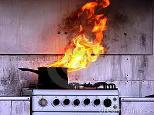
Example
Tenant
accidentally sets fire to something on the
hob and the fire engulfs a section of the
kitchen before the fire service get there.
The property is deemed uninhabitable and
the tenants are forced to temporarily relocate.
|
|
A
regular homeowner buildings and contents insurance
policy may cover the repairs and the cost of a new
cooker, although some insurers may not pay out on
the basis that the damage was caused by a tenant
in rented accommodation. This means that while the
damage is being repaired the landlord is out of
pocket, missing out on rental payments.
A
good landlord insurance policy can include rent
payments up to 36 months, and help cover the cost
of alternative accommodation for your tenants (if
the cost is higher than the rental amount they are
paying you). This means that not only is all repair
work paid for, the landlord won’t lose out
on vital monthly income. Landlords need to consider
tailoring the landlord insurance policy to their
exact needs covering the most common tenant-induced
mishaps. It only takes one careless moment from
a tenant to prove that the overall cost and benefits
of having the right landlord insurance far outweigh
the stresses and cost of not having it.
offer a range of specialist insurance products including
Residential Landlord, Un-Occupied Buy To Let, Landlord
Commercial, Portfolio and Tenant Contents insurance
policies. Landlords should ensure prospective tenants
are referenced prior to the start of a tenancy and
the landlord should take out comprehensive buy to
let or landlord insurance to protect their property
asset. Additionally, Rent Guarantee products are
continually being improved to afford PRS landlords
even greater financial security.
Think of the above landlord and letting agent services
as a present to all UK landlords who wish to take
positive action to protect their cashflow.